




BPC 157 Peptide Canada: Product Specifications and Research Context
BPC-157 research peptide in 5 mg and 10 mg lyophilized vials
A synthetic 15-amino-acid peptide supplied for controlled laboratory research. Not for human or veterinary use.
BPC 157 Mechanism and Current Evidence
Preclinical findings require careful separation from human evidence
Researchers use BPC-157 as an experimental peptide in cell, tissue and animal models. The sequence contains 15 amino acids: Gly-Glu-Pro-Pro-Pro-Gly-Lys-Pro-Ala-Asp-Asp-Ala-Gly-Leu-Val. Published work has examined tendon fibroblast behaviour, growth-factor signalling, gastrointestinal injury models and pharmacokinetics.
A 2011 study using rat Achilles tendon explants and cultured tendon fibroblasts reported increased explant outgrowth, cell survival under oxidative stress and cell migration. The authors linked the cell findings to FAK and paxillin signalling. A separate 2014 cell study reported increased growth hormone receptor expression in rat tendon fibroblasts. These experiments describe laboratory mechanisms; they do not establish healing, dosing, efficacy or safety in people.
A 2022 pharmacokinetic study in rats and dogs reported an elimination half-life below 30 minutes for prototype BPC-157 after intravenous or intramuscular administration. Researchers should not use the older four-hour claim for this product. Human evidence remains sparse. A published intravenous pilot enrolled two participants, which cannot establish broad safety or efficacy. A randomized Phase 2 hamstring study is recruiting and has no posted results.
Research sources: tendon fibroblast study · growth hormone receptor study · rat and dog pharmacokinetics · two-participant human pilot · recruiting Phase 2 study
Purity, Batch COA and Third-Party Testing
Match the vial lot to the analytical report
The product page lists at least 99% HPLC purity with mass-spectrometry confirmation and identifies Janoshik as the independent laboratory. Researchers should obtain the batch-specific Certificate of Analysis and confirm that its lot number matches the vial.
HPLC reports chromatographic purity under the stated test conditions. Mass spectrometry supports molecular identity. Review the chromatogram, observed mass, test date, laboratory name and lot identifier before adding the material to a study.
A 99% HPLC result does not prove nominal vial fill, concentration after reconstitution, sterility, endotoxin level, residual solvent content, biological activity, efficacy or safety. Each property needs a suitable validated test.
BPC 157 Research Peptide Canada: Forms, Strengths and Comparisons
The two vial sizes contain the same peptide sequence
This BPC 157 peptide Canada listing offers 5 mg and 10 mg lyophilized vials. The strength describes nominal peptide content in the unopened vial. It does not describe purity or solution concentration.
| Variant | Listed price | SKU | Research comparison |
|---|---|---|---|
| 5 mg | $45.99 CAD | PP-BPC157-5MG | Lower nominal vial content; same BPC-157 sequence |
| 10 mg | $72.99 CAD | PP-BPC157-10MG | Twice the nominal vial content; same BPC-157 sequence |
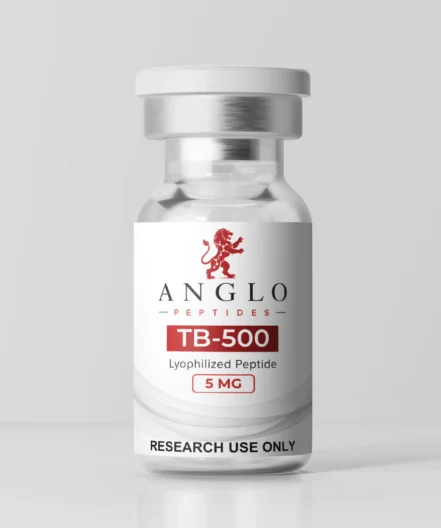
Researchers comparing BPC 157 5mg Canada and BPC 157 10mg Canada products should keep solvent volume, target concentration, container and storage conditions in the study record. The product form or counter-ion should come from the matching batch report rather than the vial strength. TB-500 is a different peptide and should not serve as an interchangeable form of BPC-157.
Reconstitution, Stability and Laboratory Storage in Canada
Use the label, lot report and a documented laboratory protocol
The current specification lists storage of the unopened lyophilized vial at -20°C, protected from light and moisture. After laboratory reconstitution, the page lists refrigerated storage at 2-8°C. Researchers should document the solvent, pH, concentration, container, temperature and preparation time.
Use a validated laboratory solvent and a clean handling procedure suited to the assay. Minimize agitation and repeated freeze-thaw cycles. Inspect the solution for unexpected colour, cloudiness or particles and follow the laboratory's rejection criteria.
Post-reconstitution shelf life depends on formulation, container, microbial control and study conditions. A general storage statement cannot replace stability data for the selected preparation. The peptide calculator can support concentration planning, but the laboratory protocol and qualified staff must control the work.
Anglo Peptides Canada · Buy Peptides Canada · Certificate of Analysis · Peptide calculator · TB-500 research peptide · BPC-157 + TB-500 blend · Healing and recovery peptide guide


Ryan C. –
Ordered the 5mg first, liked it enough to grab the 10mg next time. Clean powder, dissolves easily, no cloudiness at all. Anglo ships fast and packaging is always done right.
Tariq B. –
This is probably my fifth order of BPC from Anglo and the quality is consistent every single time. Same-day shipping is the main reason I keep coming back.
Fatima A. –
Been ordering BPC from Anglo for a few months. Consistent quality every time, same-day shipping is a huge plus. One of the most reliable Canadian sources I’ve come across.
Daniel H. –
Good quality BPC-157. Arrived in two days, vial was sealed perfectly. Powder looked clean and dissolved without any residue. Happy with this and will reorder.
Chloe M. –
Good BPC-157 at a fair price. Arrived in two days, reconstituted cleanly. No issues at all and would buy again from Anglo without hesitation.
Ethan C. –
Ordered the 5mg to start. Dissolved crystal clear and the Janoshik COA shows 99.1% purity. Shipped out same day from their Canadian facility, had it in Ottawa in 2 days. Really impressed.
Priya M. –
Finally a Canadian-made source I trust. No importing delays, proper documentation, and the vial arrived well cold-packed. Third order now and quality is consistent every time.