


Researchers searching for peptides for weight loss Canada sources encounter several compound families under one label. The group includes GLP-1 receptor agonists, dual and triple incretin agonists, amylin analogues, GHRH-related peptides and mitochondrial-derived peptides. These molecules do not share one mechanism or one level of evidence.
This page compares eight research categories represented in the Anglo Peptides catalogue. Anglo Peptides Canada supplies lyophilized material for laboratory and in-vitro research. The products on this page are not medicines and are not for human or veterinary use.
Weight-loss peptides compared
Four of these compounds (semaglutide, tirzepatide, retatrutide and cagrilintide) have large human trials behind them, and only semaglutide and tirzepatide are approved medicines in Canada. The rest are research compounds. All products linked here are sold for laboratory research use only.
| Compound | How it works | Best human evidence | Status in Canada | Vial sizes |
|---|---|---|---|---|
| Semaglutide | GLP-1 | STEP-1 (NEJM 2021): mean 14.9% weight loss at 68 weeks (2.4 mg) | Approved in Canada as Ozempic and Wegovy | 5, 10, 20 mg |
| Tirzepatide | GIP + GLP-1 | SURMOUNT-1 (NEJM 2022): mean 20.9% at 72 weeks (15 mg) | Approved in Canada as Mounjaro | 10, 15, 20, 30 mg |
| Retatrutide | GIP + GLP-1 + glucagon | TRIUMPH-1 (Lilly, May 2026): mean 28.3% at 80 weeks (12 mg) | Investigational; not approved | 5, 10, 30, 60 mg |
| Cagrilintide | Amylin analogue | REDEFINE 1 (NEJM 2025): 11.8% alone; 20.4% combined with semaglutide (68 weeks) | Investigational; not approved | 5, 10 mg |
| MOTS-c | Mitochondrial-derived peptide | Animal studies only; no human weight-loss trials | Research compound | 10 mg |
| 5-Amino-1MQ | NNMT inhibitor (small molecule) | Mouse studies only; no human weight-loss trials | Research compound | 10, 50 mg |
Peptides For Weight Loss Canada: Definition and Research Overview
The phrase weight loss peptides Canada groups compounds that researchers study in energy balance, appetite signalling, glucose handling, adipose biology and growth-hormone pathways. The phrase describes a research topic, not a single pharmacological class. A study should identify the receptor target, molecular form and evidence level for each compound before comparing results.
- Incretin receptor agonists: Semaglutide targets GLP-1R. Tirzepatide targets GIPR and GLP-1R. Retatrutide research adds glucagon-receptor activity.
- Amylin analogues: Cagrilintide research examines amylin-receptor signalling alone and alongside GLP-1 pathways.
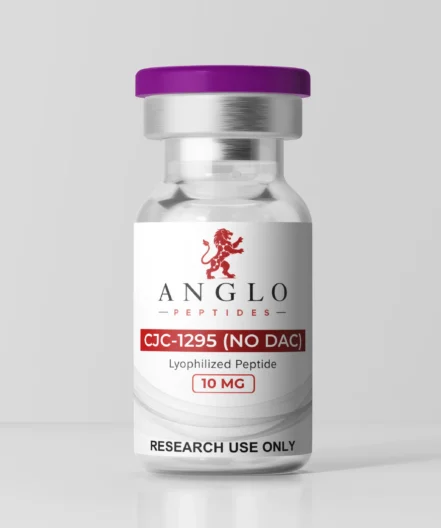
- Growth-hormone-axis peptides: Tesamorelin, CJC-1295 and Ipamorelin act through GHRH or ghrelin-receptor pathways rather than GLP-1R.
- Mitochondrial-derived peptides: MOTS-C research focuses on cellular energy regulation and metabolic signalling.
Search terms such as GLP-1 research peptides Canada and GLP-1 peptides Canada often lead to the wider group. Only the incretin compounds in that group act at GLP-1R. The other peptide products for weight loss research require separate controls and should not serve as interchangeable substitutes.
What Current Studies Say About Fat Loss Peptides
For a current study-by-study review, read the retatrutide clinical trials and 2026 research guide. It distinguishes published papers from sponsor announcements and links back to the retatrutide product’s current vial options.
Randomized trials of regulated semaglutide and tirzepatide medicines report changes in body-weight and metabolic endpoints in defined clinical populations. Retatrutide research examines a triple GIP, GLP-1 and glucagon receptor profile, with published Phase 2 and Phase 3 evidence. Cagrilintide trials examine long-acting amylin signalling alone and in combination with semaglutide.
Researchers should read those results within the tested formulation, dose schedule, participant group and trial duration. Clinical findings for a regulated drug product do not establish the purity, fill amount, sterility, stability or biological equivalence of a separate online research vial. Laboratory studies need their own identity checks, controls and acceptance criteria.
Selected primary studies: STEP 1 semaglutide trial · SURMOUNT-1 tirzepatide trial · Retatrutide phase 2 trial · Cagrilintide phase 2 trial
The human evidence for MOTS-C, CJC-1295 and Ipamorelin does not match the scale of the incretin trial programs. Researchers should label conclusions by evidence tier instead of extending findings from one receptor class to another.
Weight Loss Peptides Canada: Key Comparisons and Use Cases
Laboratories can organize weight loss research peptides Canada projects by receptor target and experimental question. The table compares eight compounds or research formats represented in the catalogue. “Best” in the page title refers to the compounds selected for comparison and does not rank treatments or recommend human use.
| Research compound | Main research target | Example laboratory context |
|---|---|---|
| Semaglutide | GLP-1R agonism | Single-incretin comparator |
| Tirzepatide | GIPR and GLP-1R agonism | Dual-incretin signalling studies |
| Retatrutide | GIPR, GLP-1R and glucagon receptor agonism | Investigational triple-agonist comparison |
| Cagrilintide | Amylin receptor agonism | Amylin and incretin pathway studies |
| MOTS-C | Mitochondrial and metabolic signalling | Cellular energy-response assays |
| Tesamorelin | GHRH receptor pathway | GH/IGF-1-axis research |
| CJC-1295 + Ipamorelin | GHRH and ghrelin receptor pathways | Paired secretagogue research |
| Ipamorelin | Ghrelin receptor agonism | Growth-hormone release models |
Researchers can review buy semaglutide peptide canada, buy tirzepatide peptide canada and retatrutide price canada listings for the current vial options. Related pathways include MOTS-C Research Peptide Canada and cjc 1295 canada.
Research products by mechanism



Evidence Quality, Limitations and Safety Context
Evidence strength differs across this page. Large randomized clinical trials support regulated semaglutide and tirzepatide medicines in specific populations. Retatrutide and cagrilintide have investigational trial programs. MOTS-C and growth-hormone-axis peptides require more caution because their study designs, endpoints and human sample sizes differ from the incretin programs.
Cross-trial percentages do not create a head-to-head ranking. Trial duration, participant criteria, formulation, dose escalation and background interventions can change the reported result. A laboratory should compare receptor activity under one protocol and define positive and negative controls before drawing mechanistic conclusions.
Commercial labels such as “fat loss peptide” or “peptides for weight loss” can blur the boundary between research material and approved medicine. Research data from a branded or regulated formulation do not transfer to an unapproved vial without analytical and biological equivalence work. HPLC purity also does not prove sterility, endotoxin status, vial quantity or safety.
Research-use notice: All peptide products for weight loss research on this page are supplied for laboratory and in-vitro work only. They are not for human consumption, diagnosis, treatment, self-experimentation or veterinary use. Nothing on this page provides medical advice.
Canadian Research, Sourcing, COA and Storage Considerations
Canadian laboratories evaluating a weight loss peptide source should match each vial to its analytical record. Review the compound name, lot identifier, test date, chromatogram and reported mass. Use the Certificate of Analysis page to locate available reports and request the current batch record if it is not posted.
An HPLC result reports chromatographic purity under the method used. Mass spectrometry can support molecular-mass or identity review. Laboratories need separate validated methods for fill quantity, sterility, endotoxin status and biological activity. Keep the batch report with the receiving record and study documentation.
Store each unopened lyophilized vial at the temperature listed on its product and batch documentation, protected from light and moisture. Reconstituted stability depends on solvent, concentration, container, temperature and handling time. Use a study-specific SOP, record the preparation details and limit repeat freeze-thaw cycles.
Browse the full Buy Peptides Canada catalogue and use the peptide calculator for concentration planning under the laboratory’s approved procedure.
Frequently asked questions
Are these fat loss peptides for human use?
No. Anglo Peptides supplies the products for laboratory and in-vitro research only. They are not for human consumption, diagnosis or treatment.
What is the difference between semaglutide, tirzepatide and retatrutide?
Semaglutide targets GLP-1R. Tirzepatide targets GIPR and GLP-1R. Retatrutide research adds glucagon-receptor activity to GIPR and GLP-1R agonism.
Which fat loss peptides do Canadian researchers order most?
Across the Anglo Peptides catalogue, the most-requested products in this category include semaglutide, Tirzepatide and Retatrutide, followed by Cagrilintide and growth-hormone-axis research peptides.
Are your fat loss peptides third-party tested?
Anglo Peptides provides third-party batch documentation for the listed research peptides. Match the report on the Certificate of Analysis page with the lot identifier on the vial.
What purity are Anglo Peptides metabolic peptides?
The product pages list a minimum of 99% HPLC purity. Review the batch-specific report because HPLC purity does not prove sterility, endotoxin status, fill quantity or biological activity.
Do you ship across Canada?
Yes. Anglo Peptides ships orders from within Canada according to the shipping options shown at checkout.
