


Peptide Research Centre Canada
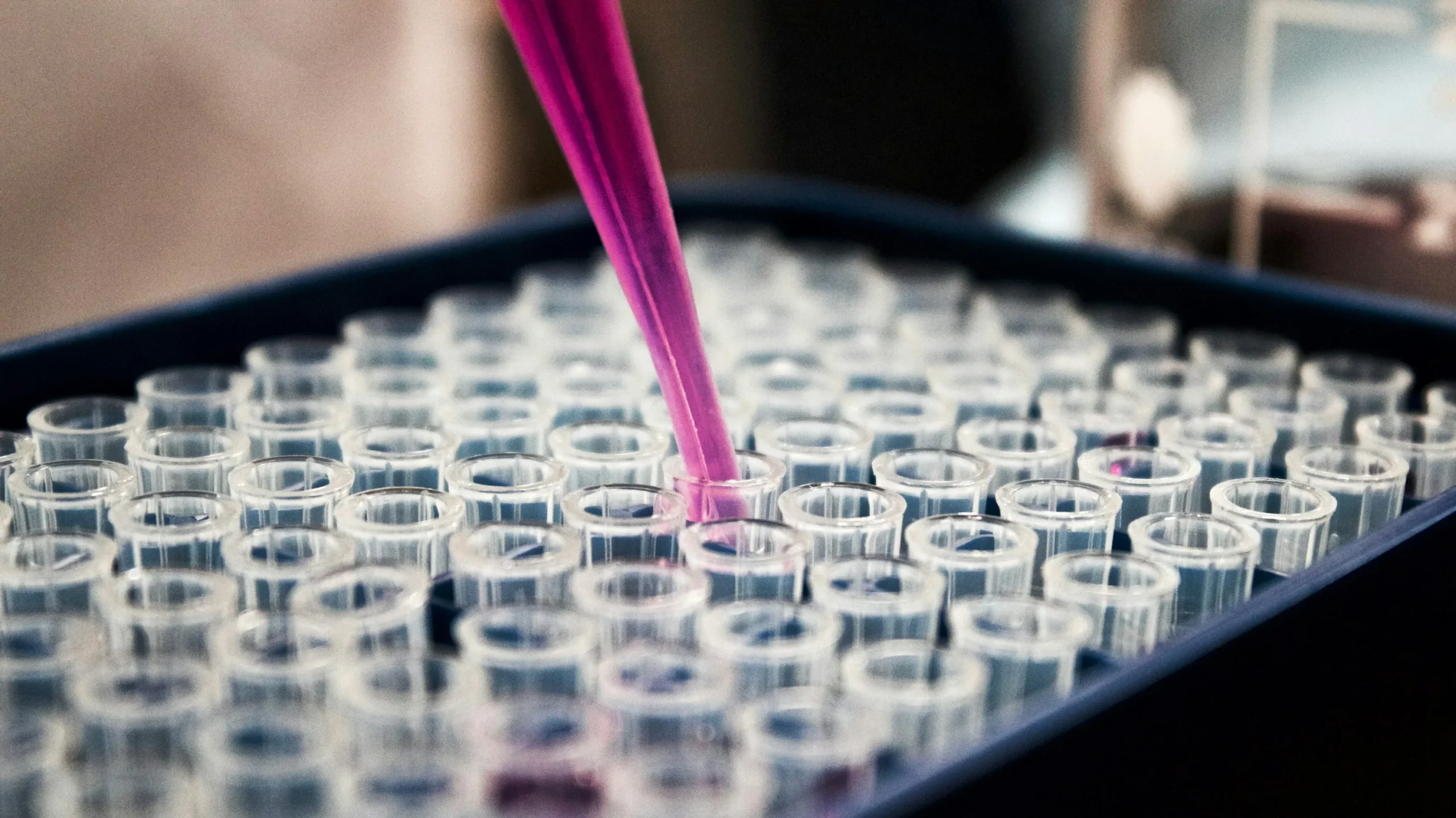
Peptide Solubility
Discover optimal peptide solubility guidelines for your laboratory. Figuring out the most effective solvent to reconstitute peptides is a critical component of research. Learn the best practices for using aqueous solutions, handling complex compounds, and maintaining long-term stability.

Peptide research studies and evidence
Explore our comprehensive archive of peer-reviewed peptide research studies. Stay informed on recent scientific data, clinical trials, and emerging in-vitro applications. Review the latest findings on molecular mechanisms currently shaping the modern biochemical field.

Peptide Procedures
Review laboratory measurement, handling and documentation topics. Use these educational resources alongside a validated protocol for the exact compound and assay.

Understanding Peptides
Dive into the fundamental science of how research peptides function. Understanding these vital molecules begins with analyzing their specific amino acid sequences, molecular structures, and their critical roles in complex cellular pathways and biochemical signalling.

Peptide Blogs
Stay informed on the rapidly evolving world of biochemical research. Our peptide blog covers the latest industry news, emerging scientific trends, and in-depth analysis. Read regular updates tailored specifically for licensed researchers and qualified laboratory professionals.
Education Hub
Expand your laboratory expertise with our peptide education hub. Access comprehensive learning materials, terminology glossaries, and advanced handling guides. Explore resources designed exclusively to help researchers confidently study and experiment with complex research chemicals.
Choose a resource for your research question
Use this peptide research centre to find educational articles, laboratory handling resources and summaries of published studies. Start with the question you need to answer, then follow the linked guide to its sources.
- Understanding the evidence: use the peptide research studies library and compare the study model, compound identity and measured outcome.
- Preparing a research solution: review peptide solubility and the reconstitution course alongside your laboratory’s validated protocol.
- Storing a stock or checking an excursion: consult the peptide storage, temperature and shelf-life guide.
- Checking a batch: use the certificate of analysis resource and match the report to the vial’s lot number.
- Finding a compound: browse the Canadian research catalogue for current specifications and available formats.
How to read peptide research
Check whether a paper reports a cell experiment, an animal study or a human trial. Compare the sequence and formulation with the material described in your own protocol. A finding for one compound, fragment or research model does not establish the same result for another.
Read the linked original source for study methods, limitations and publication date. Educational summaries help you locate evidence; they do not replace a laboratory protocol or establish clinical suitability. For questions about batch documentation or orders, contact Anglo Peptides support.
Research use only. These resources provide laboratory and scientific education, not medical advice or instructions for human or animal administration. See our Canadian peptide regulatory overview for the distinction between research materials and authorized medicines.
TB-500 research guides
Start with the TB-500 vs thymosin beta-4 study guide to distinguish the full-length peptide from defined fragments. For a comparison of research models and the limits of combination claims, read BPC-157 vs TB-500. Both guides link original sources and explain how to match the literature to product documentation.
BAC Water labels, storage and comparison
Read bacteriostatic water vs sterile water for preservative differences, Canadian Pfizer and U.S. Hospira packaging, and the limits of opened-vial storage guidance. Check 30 mL BAC Water for stock and product details, or use the BAC Water calculator to total planned volume.
Retatrutide clinical trials and research
Read the retatrutide research and 2026 clinical trials guide for published Phase 3 evidence, sponsor updates and study limitations. Compare receptor targets in the tirzepatide vs retatrutide guide, then check the retatrutide product page for current vial options and batch documentation.
Browse Research-Grade Peptides
Check each product page for current formats, specifications, batch reports and Canadian shipping information. Match the compound and documentation to your laboratory requirements.
- BPC-157 (5mg), Frequently studied in tissue repair and gut barrier research
- TB-500 (5mg), Thymosin Beta-4 fragment; studied in cell migration models
- GHK-Cu, Copper peptide; studied in collagen synthesis and skin remodelling
- Semaglutide, GLP-1 receptor agonist; widely used in metabolic research
- Tirzepatide, Dual GLP-1/GIP agonist; advanced metabolic pathway studies
- Retatrutide, Triple agonist; emerging metabolic and obesity research
- CJC-1295 No DAC (10mg), GHRH analogue; growth hormone secretion studies
- Ipamorelin (5mg), Selective GHRP; pulsatile GH release research
- NAD+ (500mg), Cellular energy and longevity pathway research
- Bacteriostatic Water (Pfizer/Hospira), 30 mL manufacturer-labelled diluent; confirm compatibility with the intended application
→ View the full Anglo Peptides Canadian catalogue
Browse peptides by research area
Explore our research peptides grouped by the area they're most studied in.
Popular Canadian research peptides
Explore standalone Ipamorelin research peptide 5mg, Sermorelin research peptide 5mg, Tesamorelin research peptide 5mg, Cagrilintide research peptide 5mg–10mg, GHK-Cu copper research peptide 50mg, PT-141 research peptide 10mg, and TB-500 research peptide 5mg.
For combination studies, compare the CJC-1295 No DAC + Ipamorelin 5mg/5mg blend with the TB-500 + BPC-157 5mg/5mg blend. You can also buy research peptides in Canada from the complete catalogue.
For laboratory and in-vitro research only.